
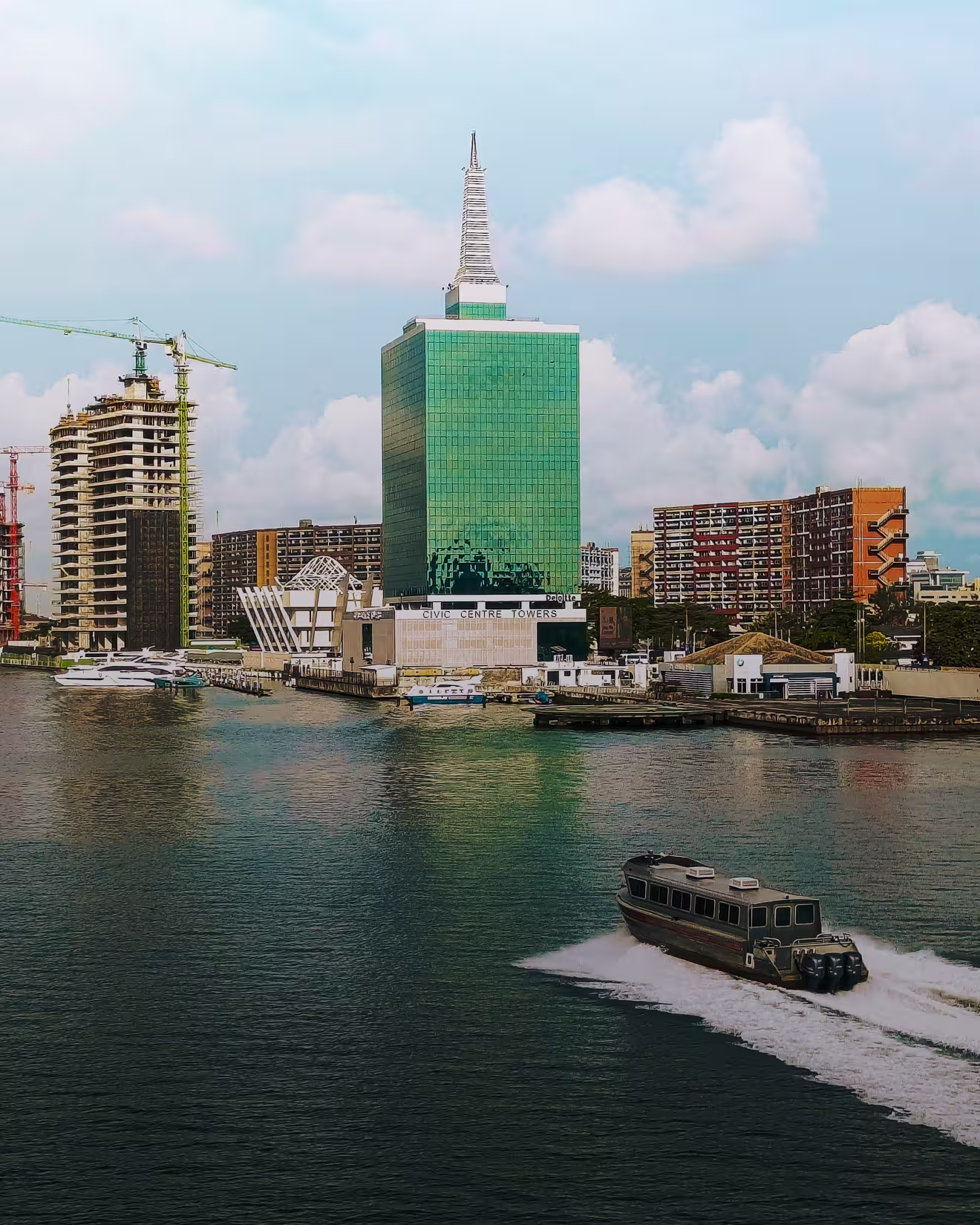
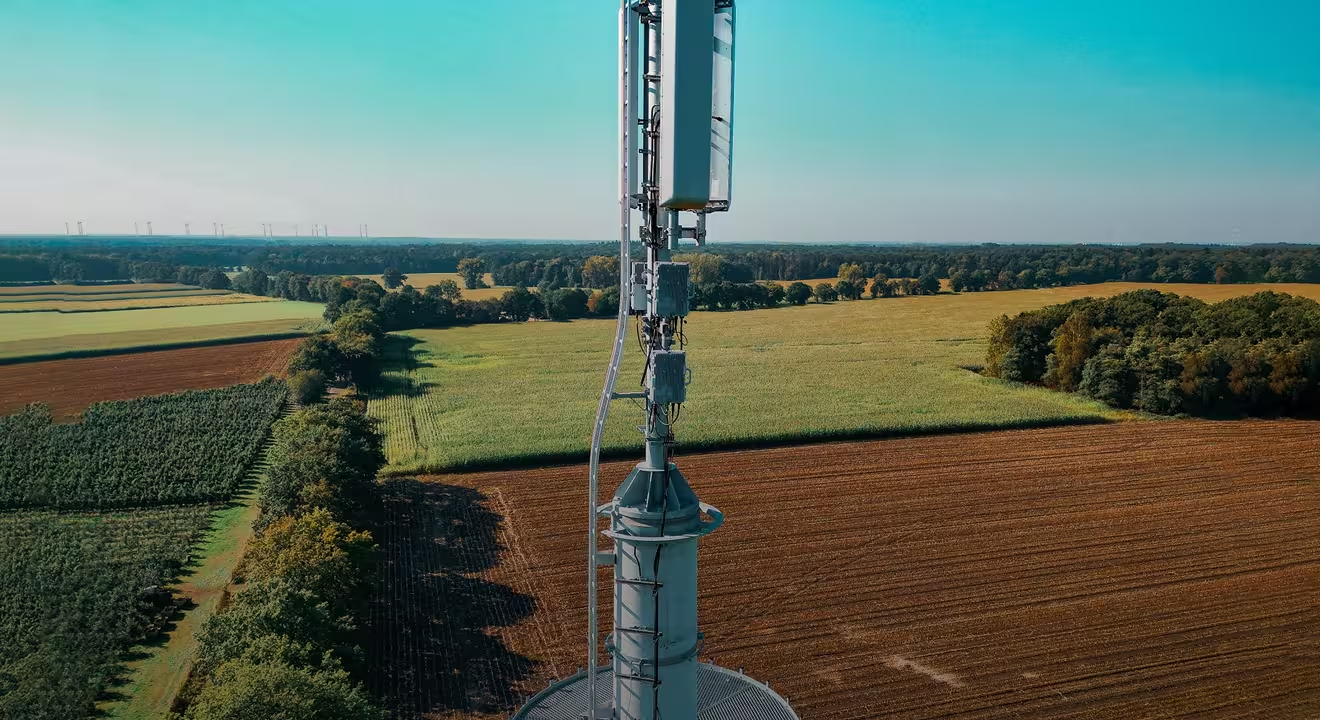







Infrastructure opportunities beyond major cities
Durable opportunities often sit in the connections between cities rather than only in the largest urban centres.
- Written by
- Njeri Mwangi
- Published on
- 17 July 2026
Director, Market Intelligence
Introduction
Investment attention naturally gathers around the largest cities. Yet many durable infrastructure opportunities sit in the connections between them: warehousing, cold chains, energy reliability and secondary distribution networks.
These opportunities require more patient diligence. Demand may be real but dispersed, and operating partners may matter more than headline asset size.
Test the actual user of the asset, the reliability of the supporting network and the institutional decisions that could change utilisation.
“A more modest asset with the surrounding conditions in place can be stronger than a larger but isolated project.”
Look at the connections between cities
Investment naturally gathers around the largest cities, where demand is visible and data is easier to obtain. Yet many durable opportunities sit in the systems connecting cities to producers, ports and consumers: warehousing, cold chains, freight interfaces, energy reliability and secondary distribution.
These assets may be smaller individually, but their value can be tied to repeated operating needs rather than a single headline project.
- Freight and storage serving multiple customer groups
- Cold-chain capacity close to production
- Reliable power for industrial and logistics clusters
- Interfaces that reduce time between transport modes
Demand evidence must become more practical
Secondary-market demand is often real but dispersed. National growth forecasts are not enough to show who will use an asset, at what frequency and under which operating conditions.
Diligence should follow the user journey through the network. Interviews, traffic observation, contracting behaviour and the economics of current alternatives can reveal demand that conventional datasets miss—or expose a forecast that depends on infrastructure not yet available.
- Identify the actual user and payer
- Test the reliability of the supporting network
- Understand seasonal and route-specific variation
- Compare the asset with the customer’s current workaround
Institutional decisions can determine utilisation
A commercially sound asset can remain underused when access roads, concessions, standards or public operating decisions do not align. These dependencies should be visible in the investment case rather than treated as external risks.
The objective is not to eliminate institutional uncertainty. It is to identify the decisions that matter, who controls them and which commitments should wait until the evidence improves.
- Map mandates and decision rights
- Separate formal approval from practical operating support
- Link capital stages to observable conditions
- Choose partners for operating capability as well as access
What this means
Follow demand through the network, test the institutional dependencies and stage capital around evidence rather than headline asset size.
Conceptual Perspective — created for demonstration purposes. The research, organisations and examples described are fictional.