

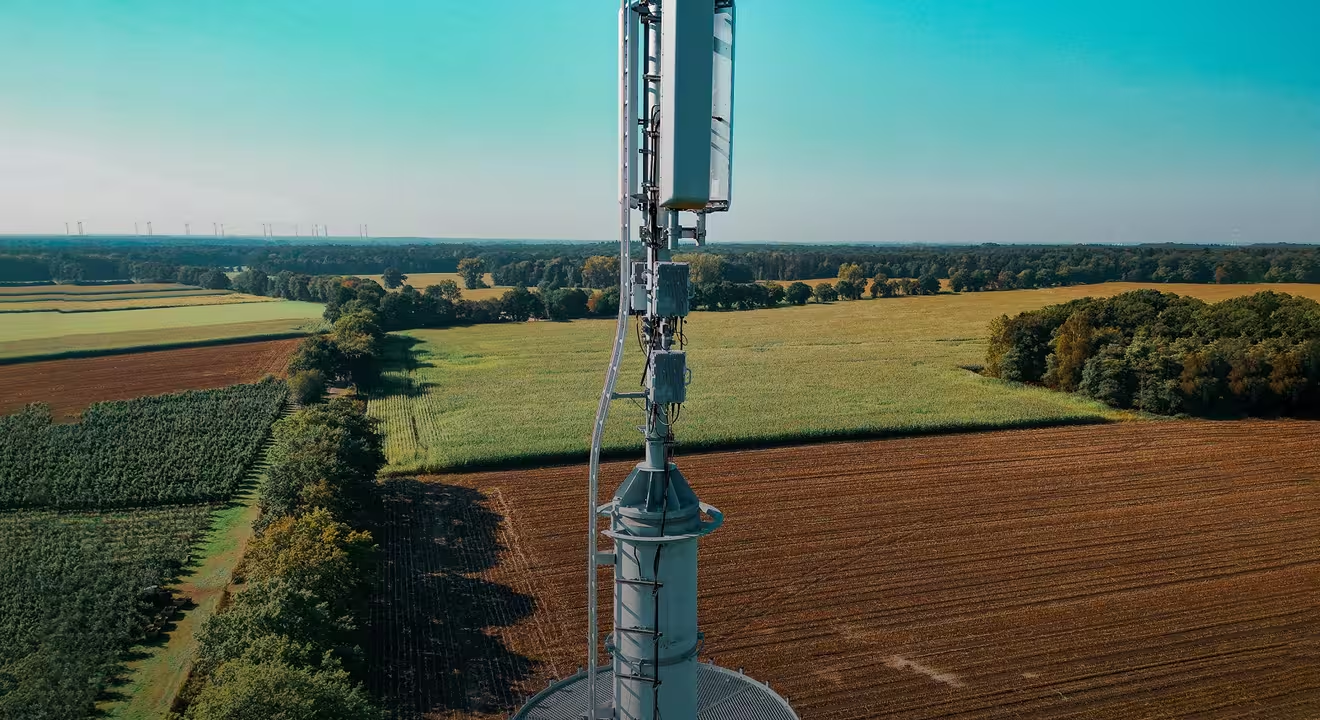







Three signals reshaping East African logistics
Visibility, border-process capability and network resilience are becoming central to the customer proposition.
- Written by
- Njeri Mwangi
- Published on
- 3 July 2026
Director, Market Intelligence
Introduction
Customers increasingly expect clearer delivery information, not simply faster delivery. Cross-border trade rewards operators that can manage documentation and exceptions with less friction.
Network resilience is also becoming a sales proposition as businesses seek alternatives to single-route dependence.
The practical agenda is to make service performance visible, treat border knowledge as an operating capability and design networks with recovery options.
“The opportunity is not only to move goods. It is to give customers confidence about when, how and under what conditions those goods will arrive.”
1. Visibility is becoming part of the service
Customers increasingly judge logistics providers by the quality of information around a delivery, not only the final arrival time. A reliable estimate, early warning and clear explanation of an exception can be more valuable than an optimistic promise.
Visibility requires common event definitions across operators, routes and systems. Without them, a dashboard may display activity without helping a customer make a decision.
- Define the events customers need to act on
- Make exceptions visible early
- Measure the accuracy of estimates
- Give frontline teams a route to correct the record
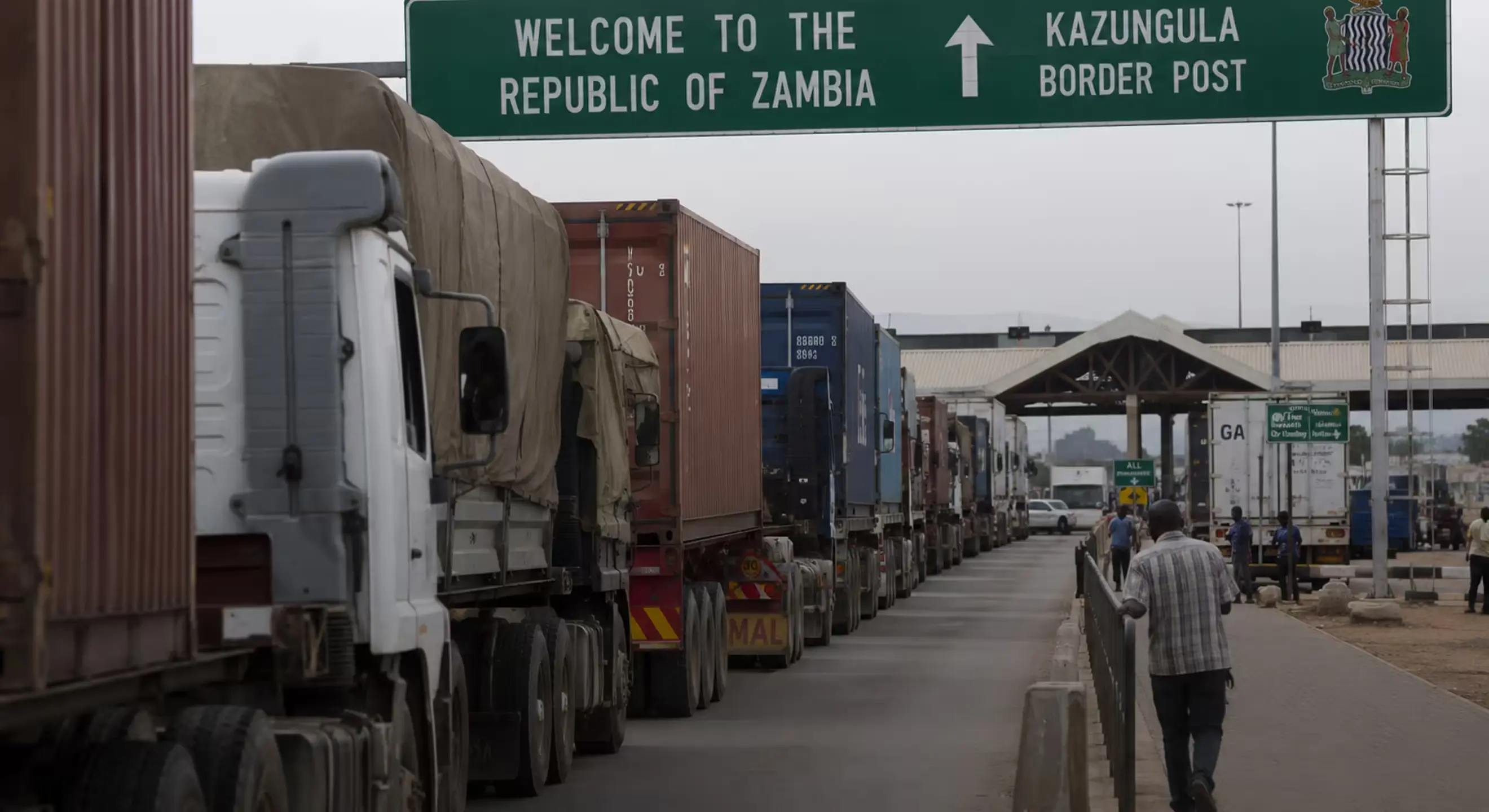
2. Border knowledge is an operating capability
Cross-border performance depends on documentation, classification, agency practice and the ability to resolve exceptions. This knowledge often sits with a few experienced individuals and disappears when the organisation scales.
Operators can turn it into a repeatable capability by documenting decision paths, tracking recurring causes of delay and giving teams clear escalation rights.
- Capture route-specific requirements
- Track causes rather than only duration
- Maintain accountable local relationships
- Design escalation around the authority to resolve
3. Resilience is becoming a customer proposition
Customers are paying more attention to what happens when a route, port or partner fails. A network with credible recovery options can create confidence even if its standard transit time is not the fastest.
Resilience should be designed before disruption. Alternate routes, capacity agreements and decision thresholds need commercial and operational owners.
- Identify single points of failure
- Price and test recovery options
- Agree when to switch routes
- Communicate the trade-off before customers are affected
What this means
Treat information, border-process knowledge and recovery options as core parts of the logistics proposition.
Conceptual Perspective — created for demonstration purposes. The research, organisations and examples described are fictional.